Introduction
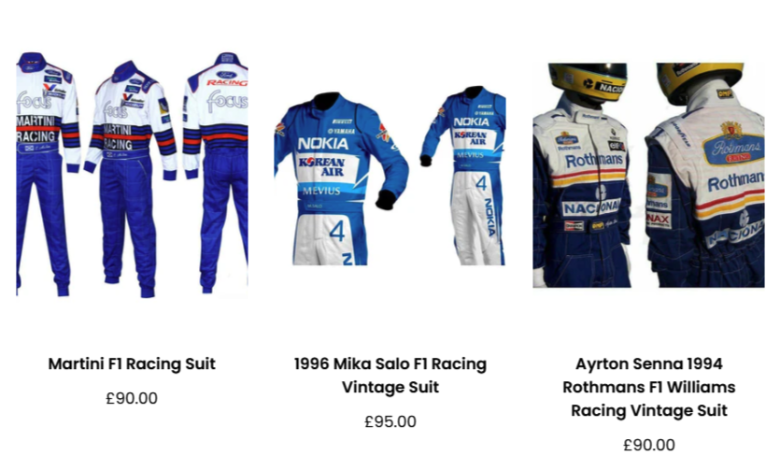
Picking the best racing suit for track use should not be complicated, but it does require some honesty. The right suit is the one that actually works when the driver is under pressure, sitting for long periods, moving through sessions, and expecting gear to hold up. F1 Racing Suits are built for that kind of environment, which is why the details matter so much.
A practical choice is not about chasing the most expensive option or the loudest design. It is about finding gear that fits well, feels comfortable, lasts through repeated use, and looks professional on track. At Sam Wears, that balance between function and presentation is the point.
Start With How the Suit Will Be Used
The first question is simple. What is the suit for? Track use can mean competitive racing, training sessions, testing, or motorsport events. Each situation has different demands. A driver who is racing seriously will care a lot about fit and durability. Someone using the suit for track events or display may care more about presentation and comfort over long wear.
That is why it helps to be clear from the start. F1 Racing Suits designed for motorsport use should support movement, comfort, and repeated wear. If the suit is also meant for events or display, then appearance matters too. The best decision is always the one that matches the real use, not just the imagined one.
Fit Comes Before Everything Else
A suit that fits badly will become a problem quickly. It can pull at the shoulders, bunch at the waist, or feel awkward when seated in the car. That is bad enough during a short session, but it becomes much worse over time. A practical racing suit should sit properly on the body and allow the driver to move without friction or distraction.
This is where custom tailoring can be very useful. Being able to adjust measurements gives the driver a much better chance of getting the right feel from the start. Colour accents and branding can also be added, but the fit should always come first. A well-fitted suit looks better too, which is a nice bonus.
Good F1 Racing Suits should feel controlled but not restrictive. They should support the body rather than forcing the body to adapt to them.
Check the Fabric and Construction
Track use is demanding. The suit needs to withstand repeated wear and stay comfortable through it. That means material choice matters a lot. Lightweight, durable fabrics are usually the best place to start because they support movement and are easier to live with during a full day at the track.
Construction matters just as much. Strong stitching, clean finishing, and careful workmanship all contribute to how long the suit lasts and how well it feels. If those details are weak, the suit may still look fine at first but start to fail under regular use. That is not practical, and it is not good value.
A good racing suit should keep its shape, feel stable on the body, and continue to look professional after repeated sessions. That reliability is one of the main reasons drivers invest in quality gear instead of settling for the cheapest thing available.
Comfort Helps the Driver Stay Focused
When a driver is busy thinking about the suit, they are not fully thinking about the track. That is the problem. Comfort matters because it reduces the chances of distraction. A suit that feels good lets the driver focus on driving, not on adjusting clothing or dealing with rough spots.
This is especially important during long sessions or multi-part track days. Heat, movement, and sitting in position for extended periods can make bad gear feel even worse. Good F1 Racing Suits help solve that by combining ergonomic design with materials that feel manageable over time.
Comfort also affects attitude. A driver who feels comfortable is usually more relaxed and more confident. That does not guarantee better lap times, but it helps create the right conditions for better performance.
Style Still Has a Job to Do
Even in a practical guide, appearance cannot be ignored. Track use often involves more than sitting in the car. Drivers are seen in the paddock, around the team, and at events. The suit is part of the overall impression, so it needs to look intentional and well made.
The best suits manage to balance function with style. They look like proper motorsport gear and still feel useful in real life. That is what gives them staying power. A suit that looks good but fails on comfort will frustrate the wearer. A suit that is comfortable but looks unfinished may not fit the professional environment. The right one does both.
This is also why replica suits and display-ready versions still have value, as long as the buyer knows the purpose. A track suit and a costume suit are not the same thing, even if they share some visual traits. The practical buyer understands the difference.
Think About Durability and Repeated Use
A racing suit should not be treated as a one-time item. Track gear gets used again and again, and the best choice is the one that can handle that. F1 Racing Suits made with long-term wear in mind are much more useful than suits that only look good on day one.
That means checking how the suit is built, how the fabric feels, and whether the design makes sense for repeated use. If the suit can hold up over time without losing comfort or shape, it becomes a much smarter buy. That is especially true for drivers who are active throughout the season.
Practical buyers think beyond the first wear. They want gear that will still be dependable after many sessions. That is the difference between a purchase and a real investment.
Conclusion
The best racing suit for track use is not the flashiest one. It is the one that fits properly, feels comfortable, lasts through repeated wear, and looks professional without getting in the way. F1 Racing Suits are meant to support that kind of use, which is why details like fabric, construction, and custom fit matter so much. A practical choice keeps the driver focused where it belongs, on the track, not on the clothing.